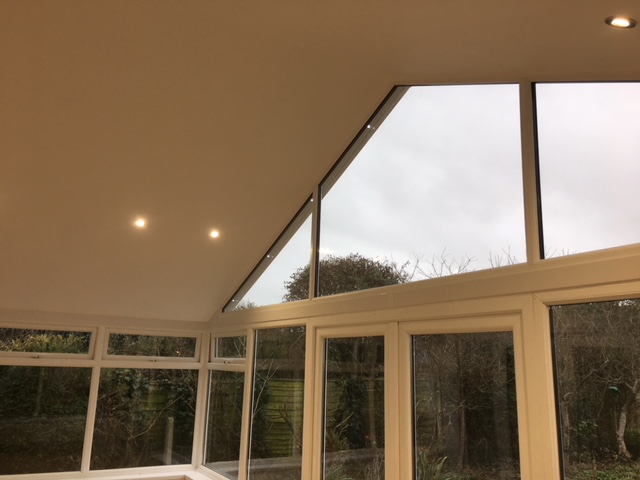
A conservatory is one of the best places for spending quality time with your loved ones or alone. The place allows ample sunlight. It instantly elevates your mood and makes everything better. However, many older conservatories lack energy efficiency. They also lack the environmental credentials that modern conservatories offer.
It’s high time to make eco-friendly upgrades and transform your space into a sustainable and energy-efficient one. Energy-efficient, sustainable conservatories reduce your carbon footprint and enhance your living environment. Are you wondering how you do it? Hiring a professional company for conservatory roofs in Coventry is the best way. Nevertheless, knowing details helps in making an informed decision.
What is Eco-friendly Conservatory Insulation, and Why You Must Consider It?
Eco-friendly conservatories prioritise the use of sustainable materials and methods. It helps to enhance a conservatory’s energy efficiency. It helps reduce power usage and lowers the carbon footprint and power bills. To make it sustainable, experts use items such as recycled cellulose, cork, natural wool and hemp.
Apart from environmental impacts and financial burden, the traditional conservatories are infamous for their temperature extremes. Due to a lack of insulation, these conservatories tend to become too hot during the summer and too cold during the winter. This impacts the functionality and convenience.
The eco-friendly upgrade also makes your property appealing to the market. Buyers tend to invest more in this kind of property, as it adds convenience without requiring any additional investment.
What are the Types of Eco-friendly Insulation Materials?
Recycled Cellulose
Recycled cellulose is obtained from old newspapers. It is an excellent material for fire resistance and thermal insulation. As it is easily available in the market, its costs are negligible. Naturally, it puts no strain on the homeowners. Further, the recycled cellulose material is an excellent option for noise cancellation. Nonetheless, don’t forget to ask your vendor whether the material is treated with non-toxic fire retardants. It is crucial for your safety.
Natural Wool
Natural wool is collected from the sheep’s body. It is an excellent insulation material. Wool turns your conservatory into a comfortable space. With its insulation properties, natural wool is also great for absorbing moisture. This combination makes it a great choice for older conservatories. Although it costs more than recycled cellulose, it is a worthwhile investment.
Cork
Cork is another natural material which gets widely used for sustainable insulation. It is produced from the bark of an Oak tree, and removing it does not harm the tree. Cork is naturally resistant to moisture, mould, and pests, making it a low-maintenance choice for conservatories. Additionally, the tree regenerates its bark quickly, making it a renewable resource.
Hemp
Hemp is the newest addition to this list, and the crop is gaining fame rapidly. Hemp requires minimal water and uses no pesticides during its growth. Its insulation is durable, breathable, and resistant to mould. The versatility means it can be used in various parts, from the conservatory roof to the walls. The cost-effectiveness and other benefits of this crop have made it a popular choice for energy-efficient glazing and solar panels, too.
Creating an energy-efficient conservatory is a long-term investment in your home, your life, and the well-being of society. If you are feeling overwhelmed about how to start this journey, don’t worry. We are here to assist you. At Reroofing Conservatory, we help our clients have the best energy-efficient conservatories. The energy efficiency and high-grade insulation keep it cool during summer and warm during winter at the most competitive price.
Book your inspection session and receive the quote.